Blog · 21 November 2026 · By Khadijah Aziza
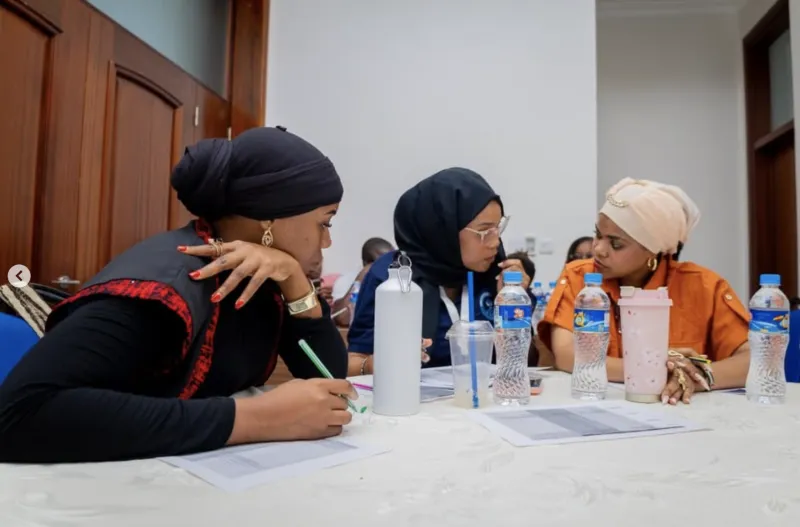
What does it take to create more opportunities for young people? Better skills? More jobs? Access to finance? Stronger partnerships? The answer is probably all of these, and much more.
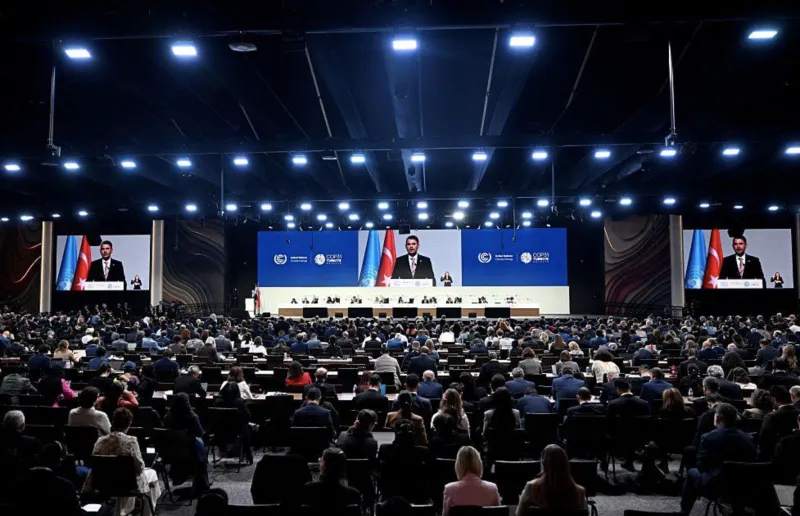
These were some of the conversations at the 7th Annual Global Opportunity Youth Network (GOYN) Global Convening, held from 16–19 November 2026 in Tanga, Tanzania.
The gathering brought together more than 300 government officials, youth leaders, funders and development partners from 16 countries to exchange ideas, share experiences and explore practical ways of expanding economic opportunities for young people.
But beyond the discussions and presentations, the convening offered an important reminder: young people should not simply be viewed as beneficiaries of development. They are innovators, entrepreneurs, problem-solvers and active contributors to their communities.
Here are five things that stood out.
1. Bringing the world together around youth opportunity
With participants from 16 countries, the convening created an opportunity to learn from different experiences and approaches to youth economic empowerment. From government representatives and development organisations to funders and youth leaders, the gathering brought different perspectives into one conversation: how do we make economic opportunities more accessible to young people?
2. Putting youth voices and innovation first
One of the strongest messages was the importance of giving young people a seat at the table. Under the theme Kijana ni Fursa (Youth are Opportunity), the discussions recognised young people not just as recipients of support, but as people with ideas, solutions and the ability to drive change.
Youth innovation panels and conversations provided space for young leaders to share their experiences and demonstrate what is possible when their ideas are taken seriously.
3. Connecting skills development to real opportunities
Skills training only makes a difference when it connects to opportunities in the job market. The launch of the VETA Transformation Document highlighted efforts to strengthen vocational education and better align training with the skills employers need.
The bigger question is how education and training systems can prepare young people not just to find jobs, but also to create them.
4. Turning local resources into business opportunities
Tanga also offered a glimpse of how local resources can support entrepreneurship. The Tanga Sisal Incubation Centre showcased how young people can transform sisal and other locally available materials into value-added products, including handicrafts.
It was a reminder that economic opportunities do not always have to come from somewhere else. Sometimes, they begin with recognising the potential of what is already available in local communities.
5. Building partnerships that make opportunities possible
Creating meaningful economic opportunities for young people takes more than one organisation. It requires governments, businesses, development partners and youth-led organisations to work together.
In Tanga, GOYN works with local partners HD Consulting and TangaYetu, with a vision of supporting 88,000 young people through sustainable livelihoods, economic opportunities, networks and support systems.
This kind of collaboration is essential to building an ecosystem where young people can access skills, find employment, grow businesses and participate in the economy.
The bigger picture: Young people are the opportunity
If there was one message to take away from Tanga, it is that investing in young people means investing in the future of communities and economies.
But that investment must go beyond training and good intentions. It requires access to finance, markets, decent jobs, supportive policies and partnerships that turn ideas into action.
Young people already have the ideas, ambition and drive. The challenge is building systems that give them the opportunity to put these to work.
And perhaps that is what Kijana ni Fursa is all about.